Pennsylvania was built on cooperation. Long before grants, tax credits, or line items in a budget, communities gathered for barn raisings. Across our Commonwealth and right here in Adams County, when a neighbor needed a barn, everyone showed up. Families brought timber, tools, food, and labor. No one asked for an invoice. No one asked how often they’d personally use the barn. They participated because strong neighbors meant a strong community.
Participation in 18th- and 19th-century barn raisings was not legally required—but it was effectively mandatory. These events were expected acts of mutual aid, much like harvesting. Not participating was rare and socially costly; opting out was not how communities functioned.

That ethic hasn’t disappeared, but today, the work looks different. Instead of a barn, the project might be a public park, a new museum, or a much-needed welcome center. The tools are modern. The regulations are heavier. The price tag is larger. But the underlying question is the same: are we willing to pay our share for something that benefits us all? Or, do we find excuses not to?
After eight years of planning, coordination, and public discussion, construction of the Gettysburg Welcome Center will begin this month, with a grand opening anticipated this fall. That timeline matters. This project is not rushed, speculative, or half-baked. It reflects strategic planning, community input, deliberate choices, and sustained commitment—exactly the kind of groundwork that barn raisings depended on back in the day.
The welcome center is not a luxury. It is a long-overdue investment in basic infrastructure for a town that hosts millions of visitors each year. It will create a walkable downtown. It will provide orientation, education, and first impressions. It will support local businesses by increasing foot traffic. Like a barn in the 1800s, it serves a practical purpose.
Some ask why they should contribute if they won’t personally use the building. Others argue that tourism organizations, government, or “someone else” should cover the cost. That kind of thinking would have stopped every barn raising cold! Not every neighbor stored hay in that barn—but everyone understood that a working farm strengthened the entire community.
Paying one’s share isn’t about charity; it’s about reciprocity. Gettysburg’s economy depends on visitors. Visitors depend on a welcoming experience. Businesses depend on visitors who stay longer and spend more. The Gettysburg Welcome Center sits squarely in the middle of that ecosystem.
There’s also a fiscal reality: underinvestment costs us more later. Deferred investment becomes a drag on the economy in the long run. That’s not frugal; it’s shortsighted.
Barn raisings worked because accountability was visible. By sundown, you could see progress. Modern projects demand the same principle—transparency, defined outcomes, and responsible stewardship. Those expectations are reasonable, and information is disclosed and available. What isn’t reasonable is enjoying the benefits of a tourism-driven community without contributing to it.
Barn raisings were never about warm feelings. They were about shared success and mutual obligation. Even today, in our Amish communities, barn raisings continue, and participation remains strong—not because it’s mandatory, but because of what is at stake.
The Gettysburg Welcome Center—years in the making and now finally moving to reality—is a modern expression of an old Pennsylvania value: if you benefit from it, you help build it.
The question isn’t whether we can afford to pay our share. It’s whether we can afford not to.
This is our barn raising. Give your share at www.mainstreetgettysburg.org/donate or www.adamscountycf.org.
Please contact me anytime: (717) 337-3491, or jsellers@mainstreetgettysburg.org.
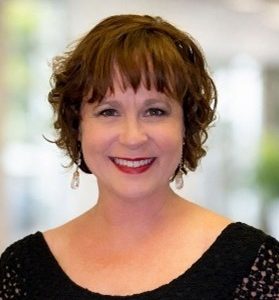
Jill Sellers is President and Chief Executive Officer of Main Street Gettysburg. She lives in Adams County with her husband Shane, and their two sons, Joshua (21) and Caleb (17).