
As temperatures rise across Adams County, tick activity is increasing — and with it, the risk of Lyme disease and other tick-borne illnesses. Health officials say spring marks the beginning of the most active period for nymph-stage deer ticks, which are responsible for many human infections because of their extremely small size, often no larger than a poppy seed.
Emily Struckhoff of the Pennsylvania State Extension said ticks are most active from April through early summer, with another spike in the fall. “Right now is really when we start to see the emergence of a lot of ticks here in Pennsylvania,” she said, noting that April through early summer is a key window for activity.
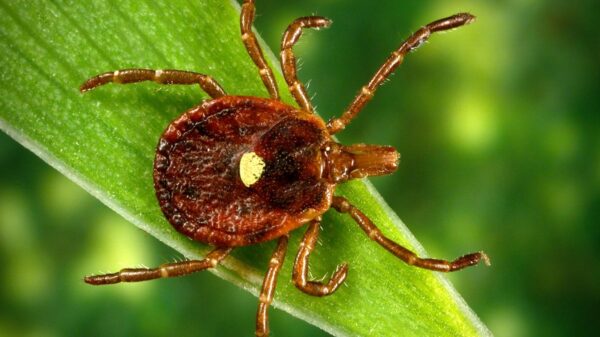
Lyme disease remains the most common tick-borne illness in Pennsylvania, but other diseases, including anaplasmosis, babesiosis, and Alpha-gal syndrome, which can create a red meat allergy, are also present. “There are many diseases that these ticks can cause,” Struckhoff said, adding that prevention remains the best defense regardless of the specific illness.
Early symptoms often resemble the flu — fever, fatigue, and muscle aches — and not all Lyme cases produce a bull’s-eye rash, which can delay diagnosis. While most infections require time to transmit after a tick attaches, prompt removal significantly reduces risk. “The sooner you get it out, the less time that pathogen has to be transmitted,” Struckhoff said. “The best way… is to grab a pair of fine-tipped tweezers, grab that tick as close to the skin as possible, and then just pull up with a steady, even pressure.”
Ticks are widespread throughout the county, including residential areas, and can be carried indoors on pets, clothing, or plants. Officials say residents should be especially cautious now, performing regular tick checks after spending time outdoors.
To reduce the risk of tick bites and illness, officials recommend:
- Use EPA-approved insect repellents
- Wear long sleeves and tuck pants into socks when in brushy or grassy areas
- Stay in the center of trails and avoid tall grass and leaf litter
- Perform a full-body tick check and shower after being outdoors
- Remove ticks promptly using fine-tipped tweezers
- Treat clothing and gear with permethrin when possible
- Keep pets on veterinarian-recommended tick prevention treatments
- Reduce yard habitat by clearing leaf litter, trimming grass, and removing brush
- Wear light-colored clothing to make ticks easier to spot
Officials stress that awareness, not fear, should guide outdoor activity. “We don’t want people to be scared of going outside,” Struckhoff said. “We want people to enjoy the outdoors while also knowing what they can do to protect themselves.”
