
Pennsylvania farmers affected by a devastating April freeze will now have access to federal disaster assistance after the U.S. Department of Agriculture formally designated 17 counties as disaster areas.
U.S. Agriculture Secretary Brooke Rollins signed the declaration yesterday during a visit to the state, citing significant crop damage caused by below-freezing temperatures that struck between April 19 and April 21.
The designation follows weeks of appeals from state officials and agricultural leaders, who warned that the sudden cold snap came after an unusually warm early spring, leaving fruit trees and other specialty crops especially vulnerable.
“This designation opens the door to critical support for our growers,” Rollins said during the announcement, which was made alongside members of Pennsylvania’s congressional delegation and local farm representatives.
he disaster designation makes farmers in the affected counties—and those in neighboring eligible counties—eligible for low-interest emergency loans through the USDA’s Farm Service Agency.
These loans can help producers recover from losses by covering costs such as replacing damaged equipment, restoring operations, and meeting financial obligations while crops recover.
Officials emphasized that producers must document their losses and contact local USDA offices to begin the application process.
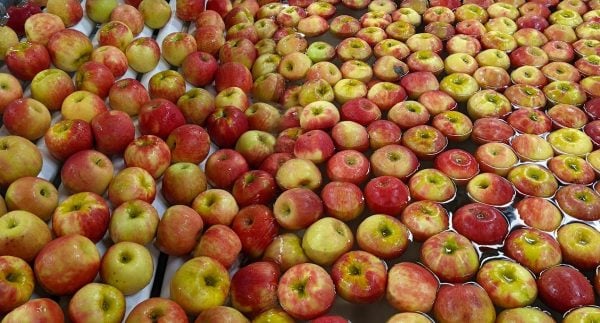
The April freeze hit at a critical moment in the growing season, damaging blossoms on fruit trees, grapevines, and berry plants across much of the state. Growers reported losses in apples, peaches, cherries, and other high-value crops that are central to Pennsylvania’s agricultural economy.
In the weeks leading up to the federal action, Governor Josh Shapiro and state Agriculture Secretary Russell Redding had urged Washington to act quickly, citing mounting financial strain on farmers and the need for immediate relief.
The USDA announcement marks a turning point for many producers who had been waiting for formal disaster designation before they could access federal recovery programs.
Agricultural leaders say the aid will be essential not only for recovering from this year’s losses, but also for helping farms remain viable into the next growing season.
Nowhere has the impact been felt more sharply than in Adams County, the heart of Pennsylvania’s fruit belt and its leading apple-producing region.
Industry reports indicate the state’s overall fruit harvest may be cut roughly in half this year.
In Adams County, the freeze dealt especially severe damage to apples and peaches, crops that are vital both to local farms and the state’s agricultural economy.
Farmers and officials say the timing of the freeze—after trees had already budded due to warm early spring weather—left orchards unusually exposed. Some growers report losses so extensive that they may harvest little to no fruit this season, raising concerns about farm income, seasonal employment, and supply shortages for consumers.
The county’s fruit industry is a major economic engine, and losses there are expected to ripple beyond farms to processors, markets, and related businesses throughout the region.
For consumers, the impact may be visible this summer in the form of higher prices and reduced availability of locally grown fruit, particularly apples and peaches.