
Morning comes quickly, and the sun is shining. No rain in the forecast today! The gardener reviews her plan, the same plan she made last evening. She makes herself some coffee, and heads outside for her morning stroll in the garden.
“Jeeze, I wish I hadn’t left my plan in the house! I have things I’d like to add”. But that’s ok. Just like any other gardener, her plans change. Sometimes by the minute.
She puts her mug of coffee down because there are a few weeds that she feels a need to pull. She thinks, “If I don’t pull them now, I’ll forget where they are”.
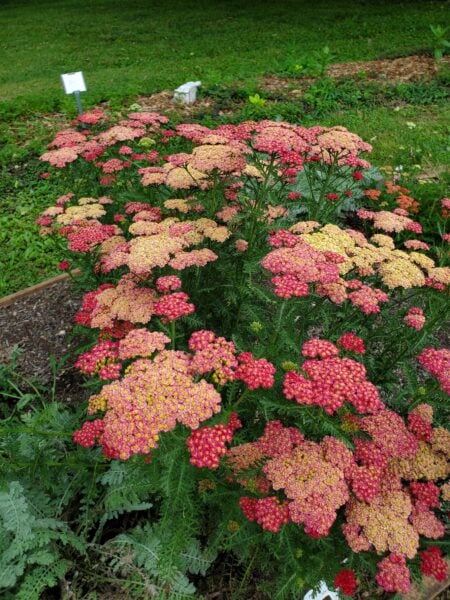
She picks up the hose. “Darn, it’s too short. I’ll unravel a few more yards. Then it should be fine to reach these few plants that need a drink.” Of course, she forgot the hose leaks. Oh well, good thing she slipped on her old shoes …
Since her feet are already soggy from the leaky hose, she might as well water the rest of the garden, then that chore will be done for the day. She drops the hose, and it lands on the nozzle and sprays water everywhere. Now her pajamas are wet! No big deal. It’s about time to go inside and get ready for the rest of the day. Serves her right. She shouldn’t be outside in her pajamas anyway.
Thirty minutes later, everything is watered. As she heads to the house, a branch hits her head. “Might as well find the loppers and prune this while I’m thinking about it. It won’t take long.” After searching for at least 15 minutes, she found the loppers leaning against a tree instead of where they should be – in the tool shed. But that’s ok. She has the tool needed to prune that small branch. Now, no one hits their head again. She drags the branch to the compost pile. “That will need to be cut into smaller pieces. But not today.” Note to self. Add the branch project to the plan.
She puts the loppers where they belong and realizes that she wanted to transplant a few perennials to a new location. Since she’s already in the shed where the loppers are kept, she grabs a shovel and heads out to the garden where the perennials are that she wants to transplant. She grabs the hose and moistens the soil before digging up the perennials.
The perennials are dug (it didn’t take long). There were only three clumps – but because they needed divided, there are now eight. She takes three and carries them to their new location. She grabs the hose and pulls it along, digs the holes, plants them and waters them well.
Not sure what to do with the other five clumps, she goes to the potting table, grabs a few nursery pots and a bag of potting soil, and pots up the remainder of the clumps. She puts them in her plant holding area, finds the hose, and waters them.
“Gosh, where are these mosquitoes coming from?” she thinks, and she swats the air around her head and smacks her arms. Something else for the plan – check for a stagnant water source.
She realizes that time has quickly gotten away! Good thing she was up extra early this morning. Now where is that mug of coffee? After finding the coffee, she dumps what’s left. A few “things” were now floating in her mug since it was just sitting in the grass, and the coffee was cold. Who wants a cold mug of coffee on a cool morning?
Although it is a cool morning, for some reason she has worked up a slight sweat.
She checks the water spigot, just to be sure the water is turned off. She heads to the house, wet shoes, soggy pajama pants, sweaty t-shirt, and an empty mug to start her day.
This short story points out many things a gardener has learned.
A morning meant for a leisurely walk in the garden is a morning of scouting.
Watering can be a continuous chore. Knowing the best way to water – water at the roots; the best time of day – morning is best and early evening is second best. Daytime watering only if necessary.
Throughout the season, hoses can spring a leak or two. There are mending kits that are easy to use that will fix the hoses and require few tools. Take time to mend garden hoses as water is precious and should not be wasted.
A hard pruning of trees and shrubs should wait till late winter, but a light pruning can be done any time of year. A branch that needs to be removed for safety or cutting out dead or dying wood is okay to do any time.
The smaller the pieces in a compost pile, the faster they will decompose. Whether this is kitchen scraps, or branches cut from trees, break into small pieces before adding them to the compost. Pieces of an apple will compost quicker than a whole apple just like a branch from a tree.
Dividing perennials is dependent on the plant. Generally, if it blooms in the spring, divide in the fall; a fall bloomer should be divided in the spring; if it blooms in the summer, divide spring or fall. Daylilies and iris do best to divide in August.
When dividing perennials, many times they naturally break apart when the clump is lifted. If that doesn’t happen, take the shovel, hand saw, or knife and cut through the clump, taking care to have roots and a crown in each division.
When dividing, it’s best to transplant right away. If the divisions need to be held for any period of time, re-pot them into a nursery pot, water them, and maintain them as you would any other plant in a container. Or pack them with peat, sawdust, or some organic matter that will hold moisture without it being too wet. Keep them cool till they can be planted. If in a pot, the plants will last much longer than packed in organic matter. It’s good to know when those plants will be put in the ground before determining which method to use.
Mosquitoes breed in stagnant water. Often birdbaths, plant saucers, and watering cans are a place where water is sitting and become a perfect spot for mosquitoes to multiply. Change and clean birdbaths on a daily basis, check for any hidden place for standing water and turn things over that can collect unwanted water.
Planning, whether it’s a list of chores that need to be done in the garden, a garden design, or notes of what is working or not working, is always a good start and a way to manage any garden. Garden journals, whether a fun book that guides the notetaking, or a simple school notebook or legal pad provides a place to keep thoughts, plans, and reflection for the garden.

Excellent, excellent, excellent……great story! and garden tips too.