
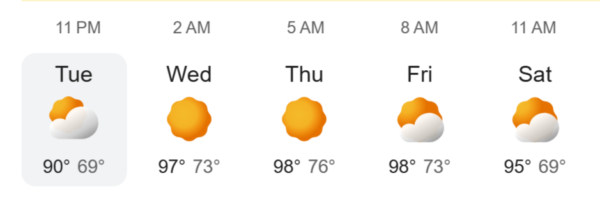
Pennsylvania residents are being urged to take precautions as a prolonged stretch of dangerous heat is expected to coincide with the busy Fourth of July holiday weekend. Forecasts call for temperatures to climb from about 90 degrees Tuesday to 97 degrees Wednesday, 98 degrees Thursday and Friday, before easing only slightly to 95 degrees Saturday. Overnight lows are expected to remain unusually warm, ranging from 69 to 76 degrees, limiting the body’s ability to recover from the daytime heat.
With many people expected to attend parades, festivals, fireworks displays, family gatherings, and outdoor recreation during the Independence Day weekend, officials are encouraging residents to plan ahead and take steps to avoid heat-related illnesses.
Experts recommend focusing on three key actions during periods of dangerous heat: stay hydrated, stay cool, and stay connected.
Residents should drink at least 8 ounces of water every 20 to 30 minutes, even if they do not feel thirsty. Sugary, caffeinated, and alcoholic beverages should be avoided because they can contribute to dehydration.
To reduce the risk of heat-related illness, people are encouraged to spend time in air-conditioned buildings whenever possible. Those without air conditioning should consider visiting public places such as libraries, shopping malls, or designated cooling centers. Outdoor activities should be limited to the early morning or evening hours, and people should wear lightweight, loose-fitting, light-colored clothing. A wide-brimmed hat and sunscreen can also help protect against the sun’s effects. Cool showers or baths are another effective way to lower body temperature.
Anyone who must work or exercise outdoors should take frequent breaks in the shade or an air-conditioned location and drink water before becoming thirsty. Smaller, lighter meals can also help reduce the body’s heat burden during periods of extreme temperatures. While electric fans may provide some relief, they are not a substitute for air conditioning when temperatures become dangerously high.
Residents are also encouraged to check on family members, neighbors, and older adults who may be especially vulnerable to extreme heat. Infants and young children, pregnant women, people with chronic medical conditions, and outdoor workers are also at greater risk of heat-related illness. Children, older adults, and pets should never be left inside a parked vehicle, even for a short time.
Pet owners should ensure animals have access to plenty of fresh water and shade, avoid walking dogs on hot pavement, and schedule outdoor exercise during the coolest parts of the day.
People who take prescription medications should be aware that some drugs can increase sensitivity to heat or dehydration. Anyone with concerns should consult a healthcare provider or pharmacist.
Residents should also prepare for the possibility of power outages during periods of extreme heat by keeping mobile phones charged, having flashlights and backup batteries available, and identifying a nearby air-conditioned location if electricity is interrupted.
People should be alert for the warning signs of heat-related illness. Heat exhaustion may include heavy sweating, weakness, dizziness, nausea, headache, and muscle cramps. Anyone experiencing these symptoms should be moved to a cool location, given water if they are conscious, and have tight clothing loosened.
Heat stroke is a life-threatening emergency marked by confusion, a rapid heartbeat, a very high body temperature, or loss of consciousness. Anyone suspected of experiencing heat stroke should receive immediate medical attention by calling 911 while efforts are made to cool the person with wet cloths, ice packs, or a cool bath.
Pennsylvania residents seeking relief from the heat can dial 2-1-1 to locate nearby cooling centers and other community resources. Residents are also encouraged to monitor the National Weather Service for the latest forecasts, heat advisories, and weather warnings.