
As the new film version of Sense and Sensibility and the new TV mini-series of Pride and Prejudice emerge in this season, Jane Austen fans prepare for delight. Any Austen is better than none. And recent Austen-inspired comedies from “Clueless” to the marvelous “Pride and Prejudice and Zombies”, have begun to clear up the basic nature of the novels. They are indeed witty social satires, rather than formulaic romance novels. More importantly, as we laugh, readers learn the nature and importance of character. (Sadly, character flaws in some of today’s leaders reveal the scope of social tragedy that can come from failing to read Austen.)
Rudyard Kipling created the term “Janeite,” in his short story about a group of World War I soldiers who bonded in the trenches over reading Austen novels. Knowing the books from multiple rereadings makes it fun for Janeites to spot howlers within money-making ventures like a recent Life magazine special edition, “Jane Austen Inside Her World.” One writer in the issue claimed that in Pride and Prejudice Mr. Bennet seriously said to the intelligent Elizabeth, “You are a young lady of deep reflection, I know, and read great books.” Actually Bennet made this sarcastic remark to the foolish Mary, who pretended to be a deep thinker. The same magazine author quoted as a serious statement the unpleasant Miss Bingley’s remark that, “There is no enjoyment like reading! How much sooner one tires of anything than of a book!” In reality Miss Bingley only said this to impress Mr. Darcy, shortly afterwards throwing her book aside in boredom. Movie versions have been known to make similar mistakes, taking the words of Austen’s lesser characters seriously when she does not.
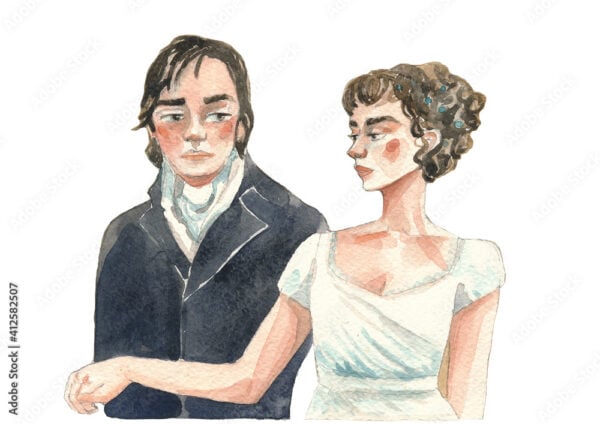
Astonishingly, Austen film interpretations also fail to note the greater importance of character over looks in the novels. The Life Austen speical issue includes an article typical of this, “Who is the Sexiest Darcy?” This debate could be interesting if it were not that the sexiest man in Pride and Prejudice is not Darcy, but the dashing and unprincipled George Wickham. Movie versions of Austen novels showcase actors of notable beauty as protagonists. But Austen creates merely attractive protagonists, whose actions show the highest intellect and character, including the willingness to mature.
Austen’s heroine in Emma is described as “handsome,” whereas it is Emma’s friend Harriet Smith who is admired for “her beauty.” Yet no movie or TV adaptation features a beautiful Harriet, and a merely handsome Emma. Similarly, though Elizabeth Bennet is pretty, or as Darcy says on first meeting her, “tolerable,” it is her older sister, Jane, who is the acknowledged beauty of the family. Casting directors routinely switch the two. Protagonists on screen by definition apparently have to be stunning, not merely attractive.
In reviewing the latest movie version of “Sense and Sensibility,” Amy Smith approvingly calls George MacKay’s portrayal of Edward Ferrars, “charming and much less awkward than Hugh Grant’s version of the hero.” True, but the character in the novel is in fact awkward, and not charming. Instead, Ferrars, like Austen’s other heroes, has intelligence and integrity. As in real life, people in Austen’s books are tempted to find others appealing because of their looks or charisma, rather than their character. Thankfully, we all have the option of learning character by reading Austen’s novels.
